


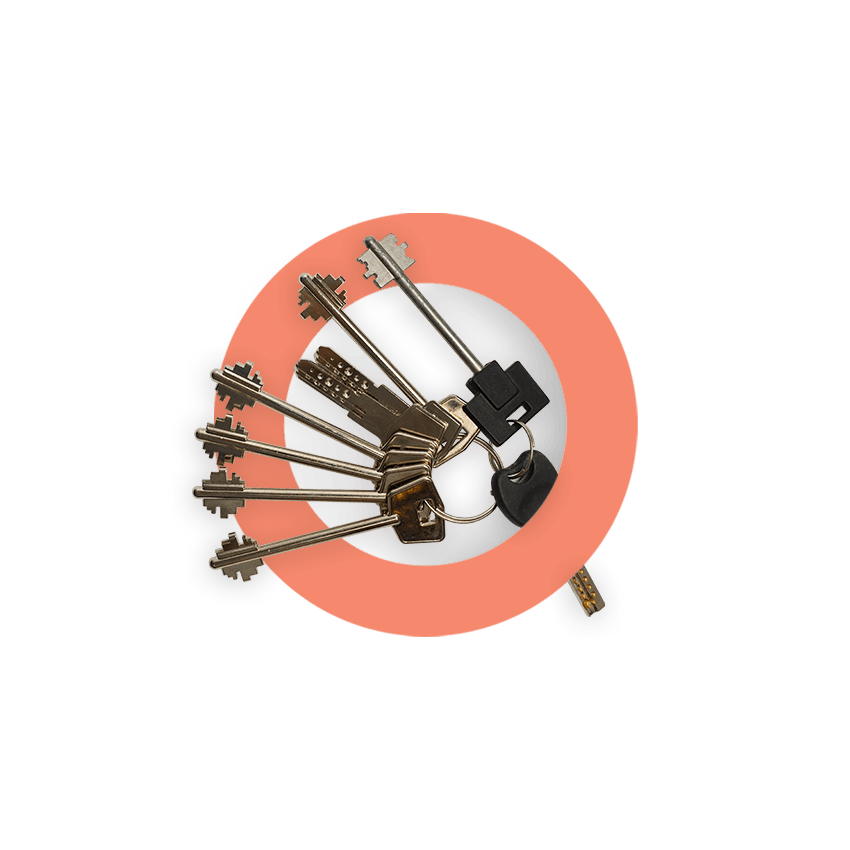
A house can end up with a lot of keys. One for the front door, another for the side door and a third for a lock you hardly use. You find the right one by trying two that don't fit first.
You may be able to make that simpler.
Miki's Auto Locksmith helps Milwaukee homeowners with rekeying, lock repairs, new locks and house lockouts. We can discuss a single door or work on several entrances. Call 414-346-7165 about the lock that's been bothering you or a change you'd like to make.
It helps to think about how you use the house. The front door might look like the main entrance, but everyone comes in through the garage. That's a door worth including when you make plans.
These can be two different jobs.
If you want fewer keys on the ring, suitable locks may be able to share one. The locks need to work with the same key system, though. Two deadbolts can look much the same and still use different keys.
If you're worried about who has copies, rekeying may be the answer. It changes the key that works in an existing lock. Once the work is done, the old key no longer opens that rekeyed lock. Sound handles and other hardware can often stay.
This is worth a look after a move. The keys handed over at closing tell you how many you received, but nothing about copies made before you lived there. It can also help after a key is lost or when someone no longer needs access.
Before changing several locks, decide which doors should work together. You may want the main entrances on one key and a separate key for a room or space someone else uses. Putting everything on one key isn't always the best fit for the household.
A key that won't turn easily doesn't always mean the lock itself has failed.
Try to recall when it gives you trouble. Does it happen only once the door is shut? Do you have to lean on the door before the bolt moves? Has it been like this since new weatherstripping was fitted?
Those small details help. A bolt under pressure from a poor fit can be hard to move, even if the key works well with the door open. Fitting another lock without looking at the door may leave you doing the same thing again.
Some faults are in the hardware. A loose handle, worn parts or a key that catches needs a look. Rekeying changes access; it won't cure every fault in a lock you already have.
You might like the old handles. They match the other doors, and you don't want one new fitting that looks out of place. Say that when discussing the repair. What can stay depends on its condition and whether the right parts are available.
Already bought a new lock? Keep the box. The model details can help with planning, but the door still needs to be checked for fit.
It can be easy to focus on the finish and forget about the hand that has to turn it.
A small knob may be fine for one person and awkward for another. Someone with a sore wrist might find a lever easier to use. If you're arranging work for a parent or another family member, include them in the choice where you can. They know what feels hard now.
The same goes for a keypad. It may suit a household where people get home at different times. There's no spare to pass around for each visit, but there are still codes to manage and batteries to check.
A few things are worth settling before buying:
Some smart-lock features need extra equipment, a connection or a paid service. Others work at the door on their own. The box may list plenty of features you won't use. Pick the ones that make life easier for the people living there.
In a Riverwest duplex, the key to one unit may be separate from the shared entrance. Changing a lock on that shared door affects more than your own home.
It's worth sorting out who approves the work and who needs new keys. The same point applies to a condo building or an East Side apartment with a common entry. The lock on your own door and the building's entry system may be managed by different people.
If you rent, speak to the landlord or property manager before arranging changes. That may save you buying hardware that doesn't suit the building's key setup.
For work elsewhere in the area, our local locksmith service-area page has more places to check. Use the full address when arranging a visit, along with the unit or entrance if there is more than one way in.
The spare may be with someone who can bring it. A family member, neighbor or landlord is worth a call before you book a visit.
If you need help opening the door, call 414-346-7165. Explain whether the keys are inside, lost or broken. We'll need to confirm that you're allowed to enter. If your ID is inside too, say so on the call. We can talk about how to confirm access.
The way to open the door depends on the lock and what's wrong with it. You can ask about the method and any repair or new parts being proposed. Being locked out doesn't by itself tell you that every lock needs changing.
If someone is in immediate danger, call 911 first.
Changing the locks can mean new keys for the old hardware or a new lock fitted to each door. Be clear about which you're asking for when talking about the price.
For several doors, a short list helps keep the visit on track. Include the number of new keys you need and any hardware you hope to keep. Check what the estimate covers, including parts, labor, the visit and any extra charges. Some questions need a look at the door before they can be settled.
Once the work is done, try the lock with the door shut as well as open. Let the people who use it try it too. There's time to point out a stiff turn or ask to be shown a feature while the work is still fresh.
For home locksmith service in Milwaukee, WI, call Miki's Auto Locksmith at 414-346-7165. A single repair is fine. You can get the door you use each day sorted out without turning it into a project for the whole house.